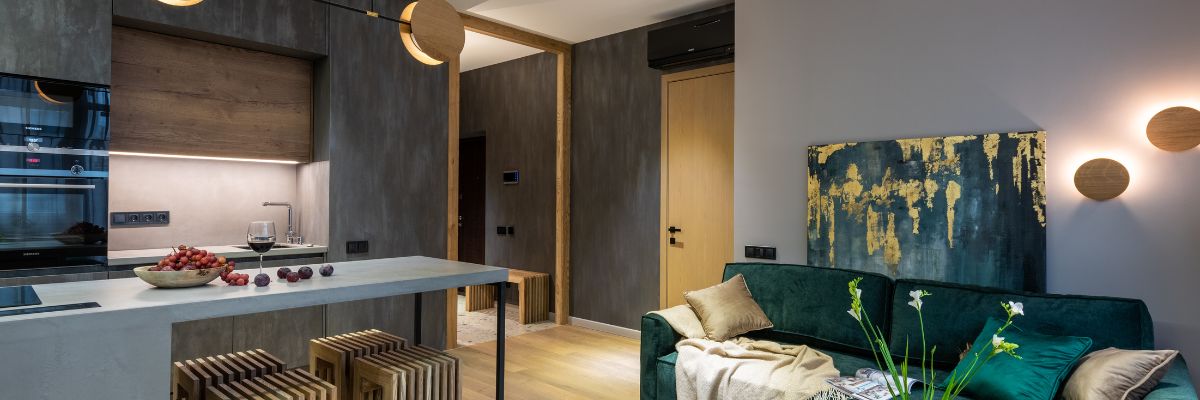
As families grow and lifestyles evolve, many homeowners face a common question: move or improve? For those who love their neighborhood but need more space, a well-designed home addition can be the perfect solution. Whether it’s adding a new bedroom, extending the kitchen, or building a sunroom, home additions offer the flexibility to tailor your property to your exact needs — without the stress of relocating.
However, successful home additions require careful planning, smart design decisions, and expert execution. From understanding your goals to integrating the new space seamlessly, here are key strategies to help you expand your living space beautifully and efficiently.
1. Define Your Goals Clearly
Every addition begins with a clear purpose. Are you looking to create a larger kitchen for entertaining, add a primary suite for comfort, or build a dedicated home office? Defining your objectives early helps guide design decisions, budget priorities, and structural considerations.
For example, adding a new bedroom may require less plumbing than building an ensuite bathroom or kitchen extension. Similarly, expanding living areas for entertaining may benefit from an open-concept layout that blends old and new spaces seamlessly.
2. Choose the Right Type of Addition
Not all home additions are created equal. The best option depends on your property, budget, and long-term plans. Common types include:
- Main-floor extensions: Ideal for expanding kitchens, dining rooms, or living areas without adding another level.
- Second-story additions: Perfect for homeowners who want to add bedrooms or bathrooms without reducing yard space.
- Bump-outs: Small, targeted expansions — like extending a kitchen nook — that offer impact without a full addition.
- Sunrooms or enclosed patios: Great for adding bright, versatile spaces that connect indoor and outdoor living.
Each type comes with unique structural and zoning considerations, so consulting with experienced designers early is crucial.
3. Blend the New with the Old Seamlessly
A poorly integrated addition can make a home feel disjointed. The goal is to create a space that looks and functions like it has always been part of the original structure. This involves carefully matching exterior finishes, roofing lines, window styles, and interior detailing.
Interior transitions are just as important. Flooring continuity, ceiling heights, and trim details should flow naturally between old and new spaces to avoid a “patched-on” appearance.
4. Consider Structural and Zoning Requirements
Home additions often require structural modifications and must comply with local zoning bylaws. Setback requirements, height restrictions, and floor-area ratios can influence what’s possible. Structural considerations may include reinforcing foundations, adding new load-bearing beams, or upgrading utilities to support the expansion.
Engaging a design-build team early ensures your addition is not only beautiful but also code-compliant and structurally sound.
5. Energy Efficiency and Comfort
When adding new space, it’s the perfect time to incorporate energy-efficient building practices. High-performance insulation, triple-glazed windows, radiant floor heating, and modern HVAC systems can make your addition comfortable year-round while lowering energy bills.
Visit: https://ruschdesignbuild.com/ to explore how sustainable building techniques can be seamlessly integrated into your renovation plans.
6. Budgeting for Quality
Home additions are a significant investment, and while it may be tempting to cut corners, prioritizing quality materials and skilled workmanship ensures longevity and resale value. Transparent budgeting should include design fees, permits, construction, utilities, and finishing touches.
Working with a design-build firm helps align your vision and budget from the start, reducing unexpected costs down the line.
7. Enhancing Lifestyle and Resale Value
A well-planned addition does more than add square footage — it enhances your daily life. Whether it’s creating a light-filled family room or a luxurious ensuite, additions can redefine how you use your home. They also offer excellent ROI, especially when they improve flow, functionality, or curb appeal.
For example, adding a primary suite with a walk-in closet and spa-like bathroom can dramatically increase both livability and resale value.
8. The Benefits of a Design-Build Approach
Managing separate architects, designers, and contractors can be complex. A design-build firm simplifies the process by handling everything under one roof — from concept and permits to construction and finishing. This integrated approach improves communication, shortens timelines, and keeps projects on budget.
Final Thoughts
Home additions are one of the most powerful ways to adapt your home to your changing lifestyle. With thoughtful planning, seamless integration, and a focus on quality, you can expand your living space while enhancing comfort and value. Whether it’s a kitchen extension, a second story, or a sunroom, a well-executed addition feels like a natural part of your home — not an afterthought.
With the right team and strategy, expanding your home becomes less about square footage and more about creating spaces that truly support the way you live.